

News
Professor O'Neil's BIO 2215 Class Practices Their Terms!
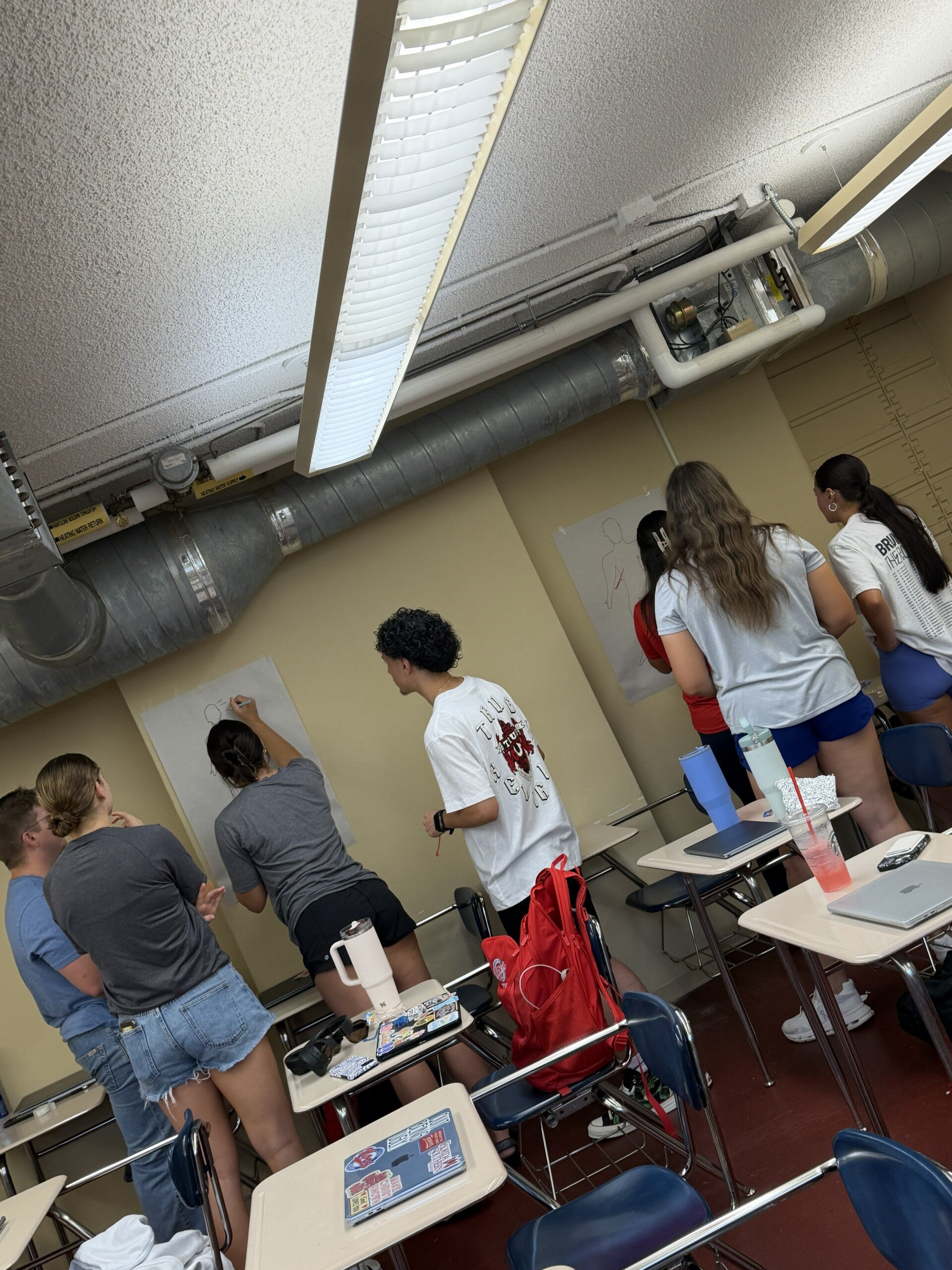
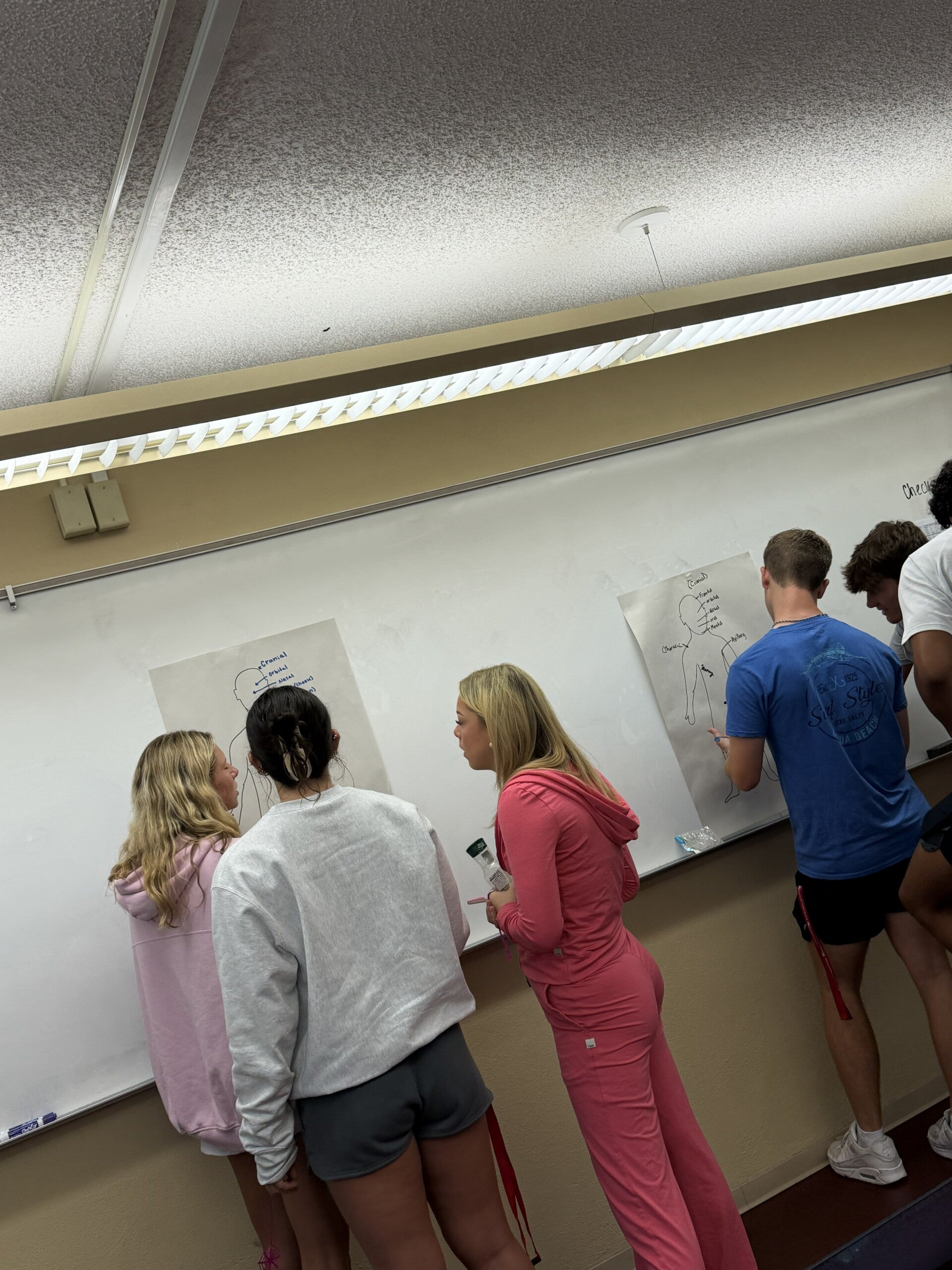
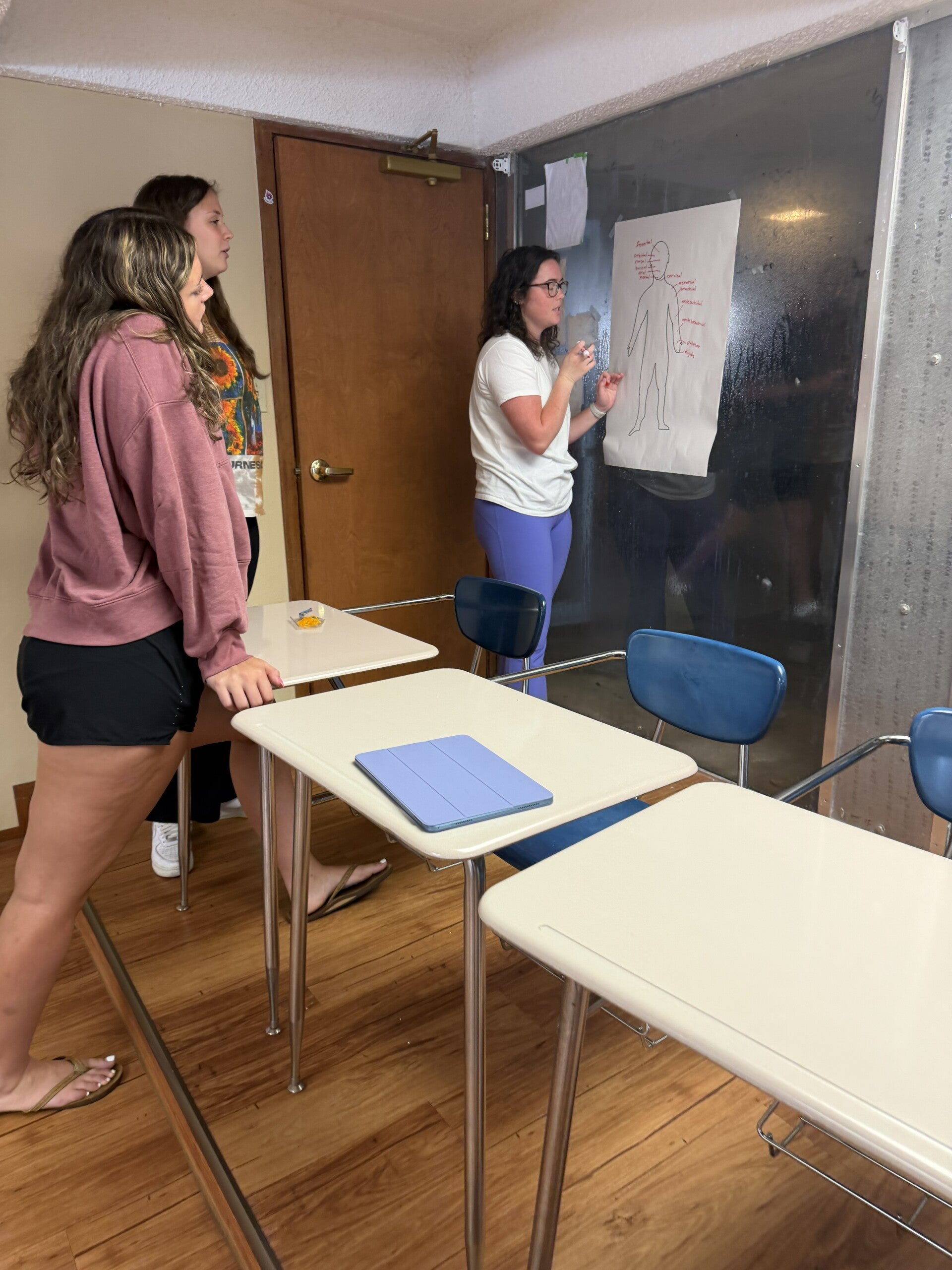
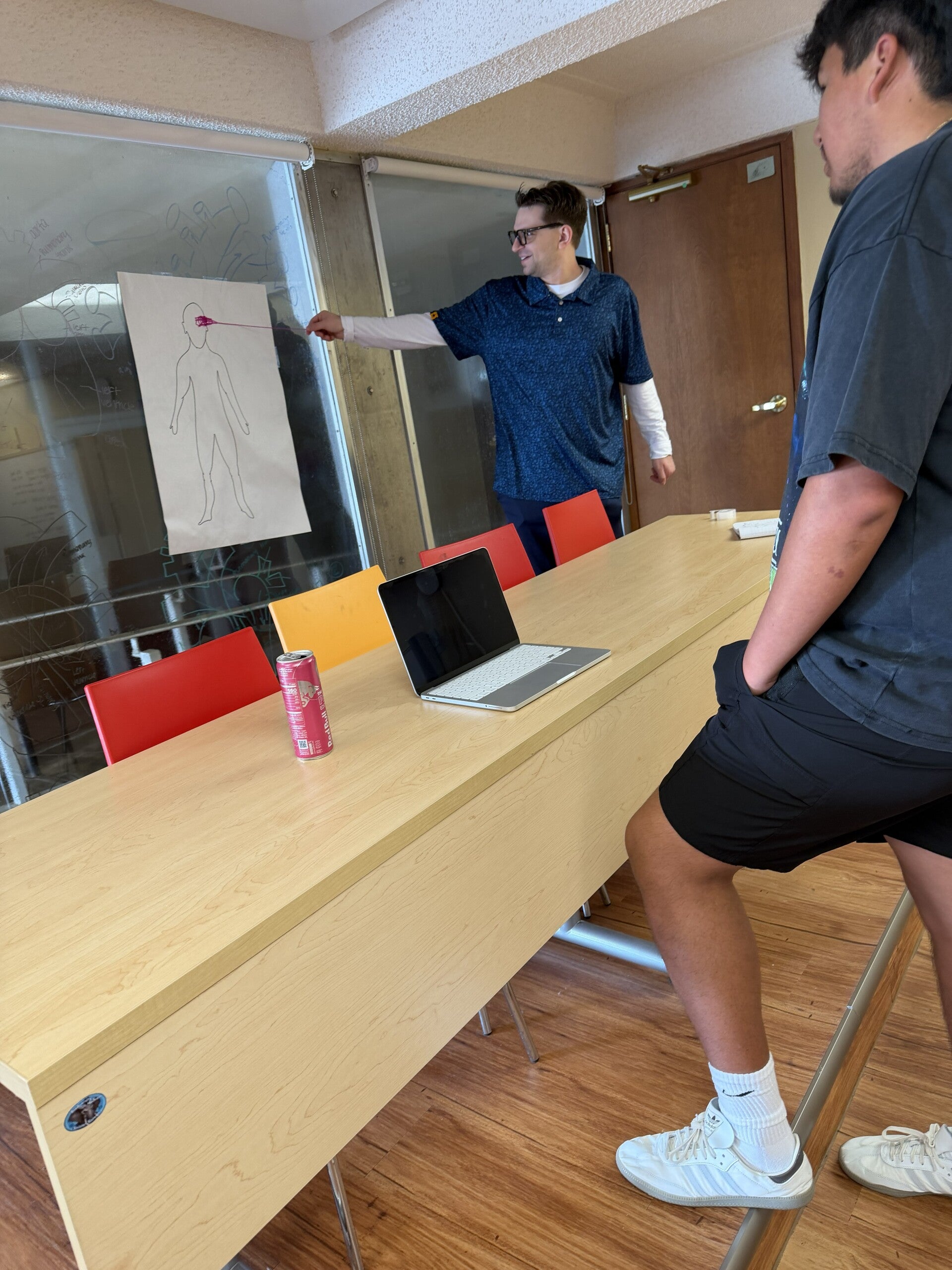
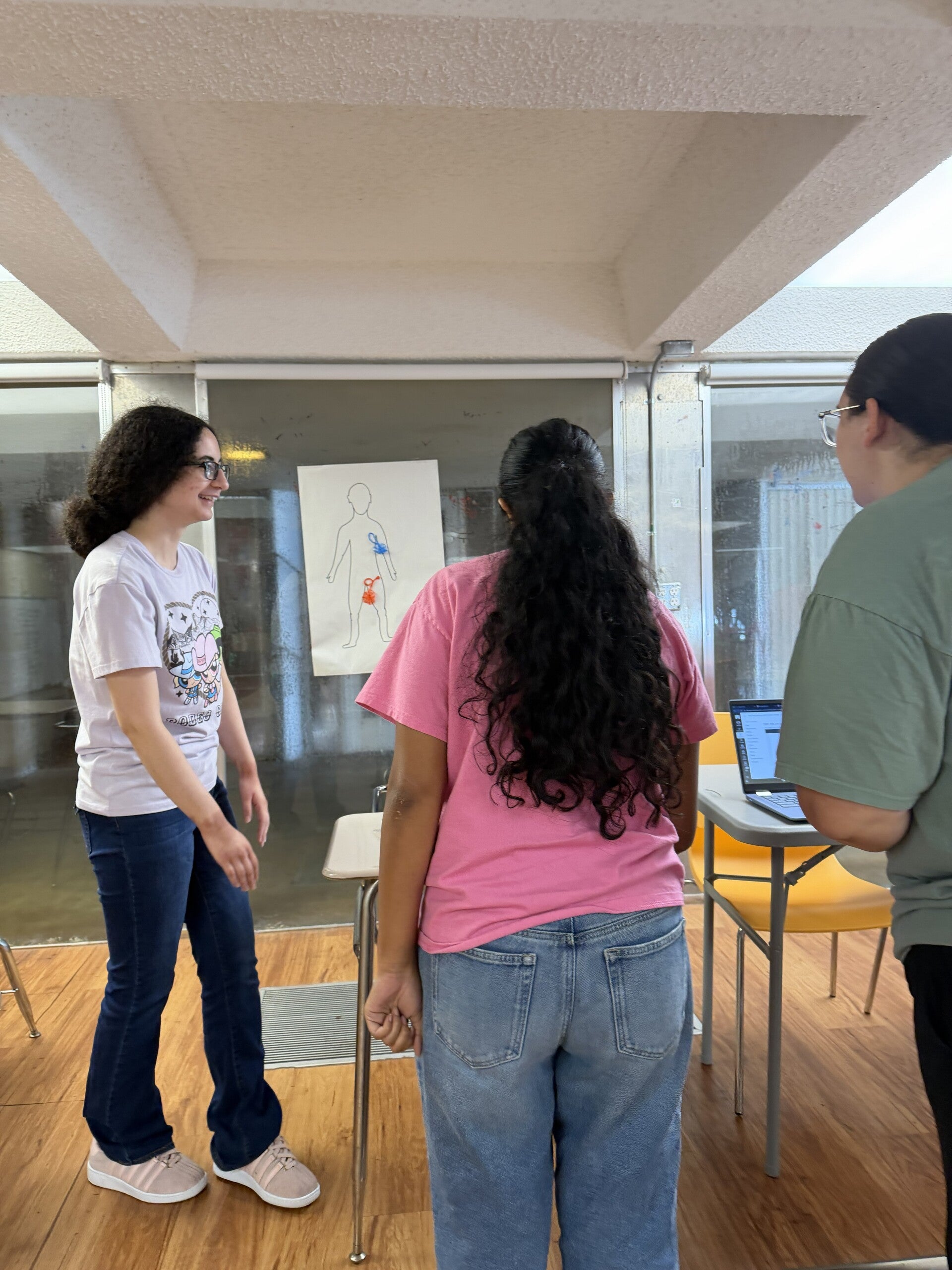
Professor O’Neil’s BIO2215 (A&P 1) lectures practiced their regional terms with “sticky spider web target practice” where they threw the sticky webs at the paper and had to name the region they landed on. They then tried filling in the human outline with those terms without their notes, then got to check themselves!
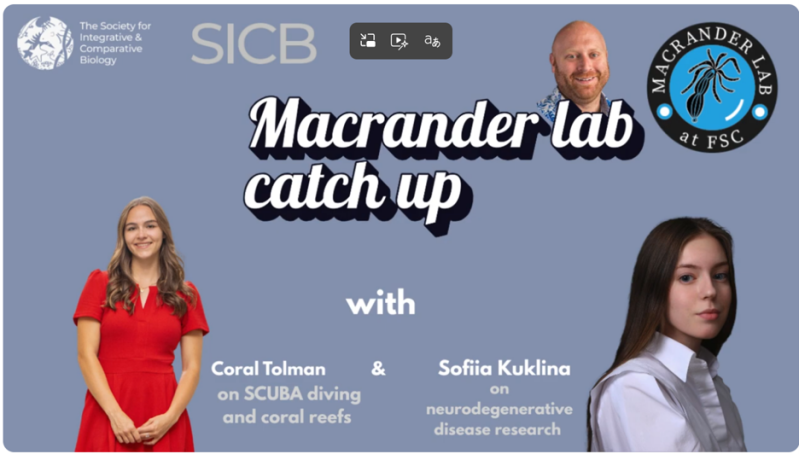
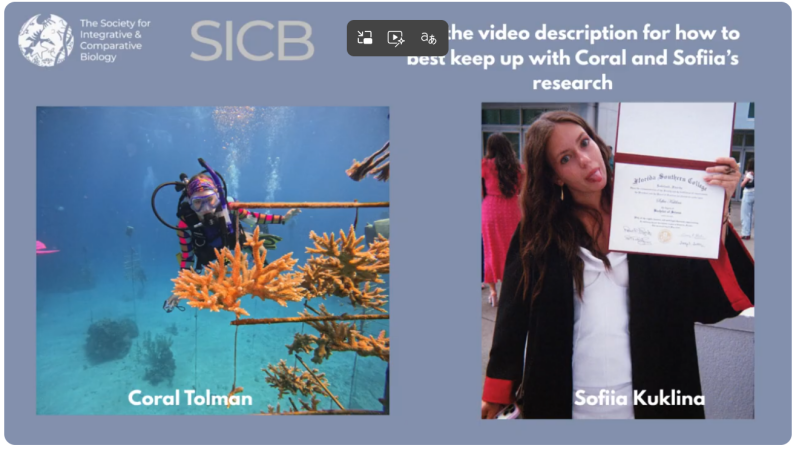
Congrats to Sofiia Kuklina and Coral Tolman! They were recently highlighted by the Society for Integrative and Comparative Biology (SICB) based on the research they did with Dr. Macrander. Both have graduated and are doing amazing things.
Sofiia now has a position as a as a research technician in a neurodegenerative disease research lab. She is planning on pursuing a Ph.D. focused on developing therapeutics for human diseases.
Coral received a NOAA Hollings Scholar while at FSC and did an internship in Juneau, AK working in aquaculture. She is currently a masters student at Kansas State University working on deterring birds from oyster farms in the Northeast.
Watch the video where they describe the work they did in Dr. Macrander’s lab and reflect on their experiences! https://www.youtube.com/watch?v=P9IOrlSAvkE
Summer 2026 Research Focused on Bacteria and Parasites in Sharks and Rays in Tampa Bay
This summer, Dr. Melanie Langford and her students, Brooklynn Minton and Serafina Aichbhaumik, were awarded a research grant from FSC to study the bacteria and larval parasites that inhabit the skin and digestive tracts of elasmobranchs (sharks and rays, among others).
As Dr. Langford explained, “Little is known about the bacteria that live on elasmobranch skin, and our group is the only one that has begun to study the bacteria living on and in elasmobranchs in Tampa Bay, FL, which affords an exciting opportunity to conduct novel research.”
One interest of the research was to assess drug resistance and antibiotic production in bacteria living on shark skin, which has broad implications for human and animal health.
“We hoped to glean a more complete picture of the role that these bacteria are playing on elasmobranch skin,” said Dr. Langford. “We also wanted to expand upon parasite work by studying the intermediate host used by the tapeworms that infect bull sharks. This will give us a more thorough understanding of the animals and their health.”
Brooklynn and Serafina trained over the summer for both field collection and laboratory techniques. They practiced skills that will be broadly applicable across many fields, including experiment planning, sample collection, microbiology media preparation, bacterial isolation techniques, antibiotic sensitivity tests, antibiotic production tests, parasite DNA extraction, PCR, agarose gel electrophoresis, and analysis of results.
As Dr. Langford notes, the group was very successful. “We found a total of 13 unique bacterial isolates from the elasmobranchs during the 2026 season, and tested each isolate for antibiotic resistance,” she said.
The group also worked with antibiotic producing bacteria collected in a previous year, and used molecular techniques to identify five different species.
As often happens in research, things didn’t go quite as expected. The group planned to study parasites collected from juvenile bull sharks and find potential intermediate hosts to complete a parasite life cycle. As Dr. Langford explained, “Unfortunately, we needed to do a tremendous amount of troubleshooting and ended up experimenting with numerous modifications. We were finally successful in analyzing DNA which allowed us to identify the parasites down to the genus level. This will help us to identify a portion of a previously unknown bull shark parasite life cycle.”
Both students will present their findings to the college at Fiat Lux in the fall of 2026, and Brooklynn will continue to work with Dr. Langford on her honors thesis this year.
This work supported and extended a multi-year project that Dr. Langford and her collaborators (Dr. Gabriel Langford and Dr. Allison Durland) and multiple students have carried out. The results of this research have been presented at scientific conferences.
Both students gained much from their experiences. Brooklynn began working with Dr. Langford long before the summer and has already presented her previous work at two scientific meetings outside of FSC this year: the Southeastern Society of Parasitologists in March 2026, and at the American Society for Parasitologists meeting in July 2026. Brooklynn now has her sights set on graduate school and this high-level research will set her apart from other students in her application pool next year.
“Through this work, I have had the opportunity to investigate the complex relationships between parasites and their hosts, gaining valuable insight into the ecological roles these organisms play within marine ecosystems,” said Brooklynn. “Research has taught me perseverance, critical thinking, and the importance of curiosity in advancing science. It has also given me confidence in my abilities as a scientist and shown me that discovery is not limited to textbooks or classrooms, it is something I can actively contribute to.”
Serafina is also looking to continue her education and will be applying to Masters programs.
“This research allowed me to gain a deeper understanding of these unique Elasmobranch species. Sharks, stingrays, and other elasmobranchs are vital to maintaining the balance of the ecosystem,” said Serafina. “With this funding we tracked, tagged, and studied these species which can benefit in managing their populations and maintaining biodiversity in ocean ecosystems. The summer research will greatly benefit my future endeavors as I plan to pursue my education with a master’s degree in wildlife conservation and research. This summer provided a gateway to achieving my goals with my career. “
Florida Southern joins efforts to combat citrus greening
Alumni Spotlight: Marisa Fonseca
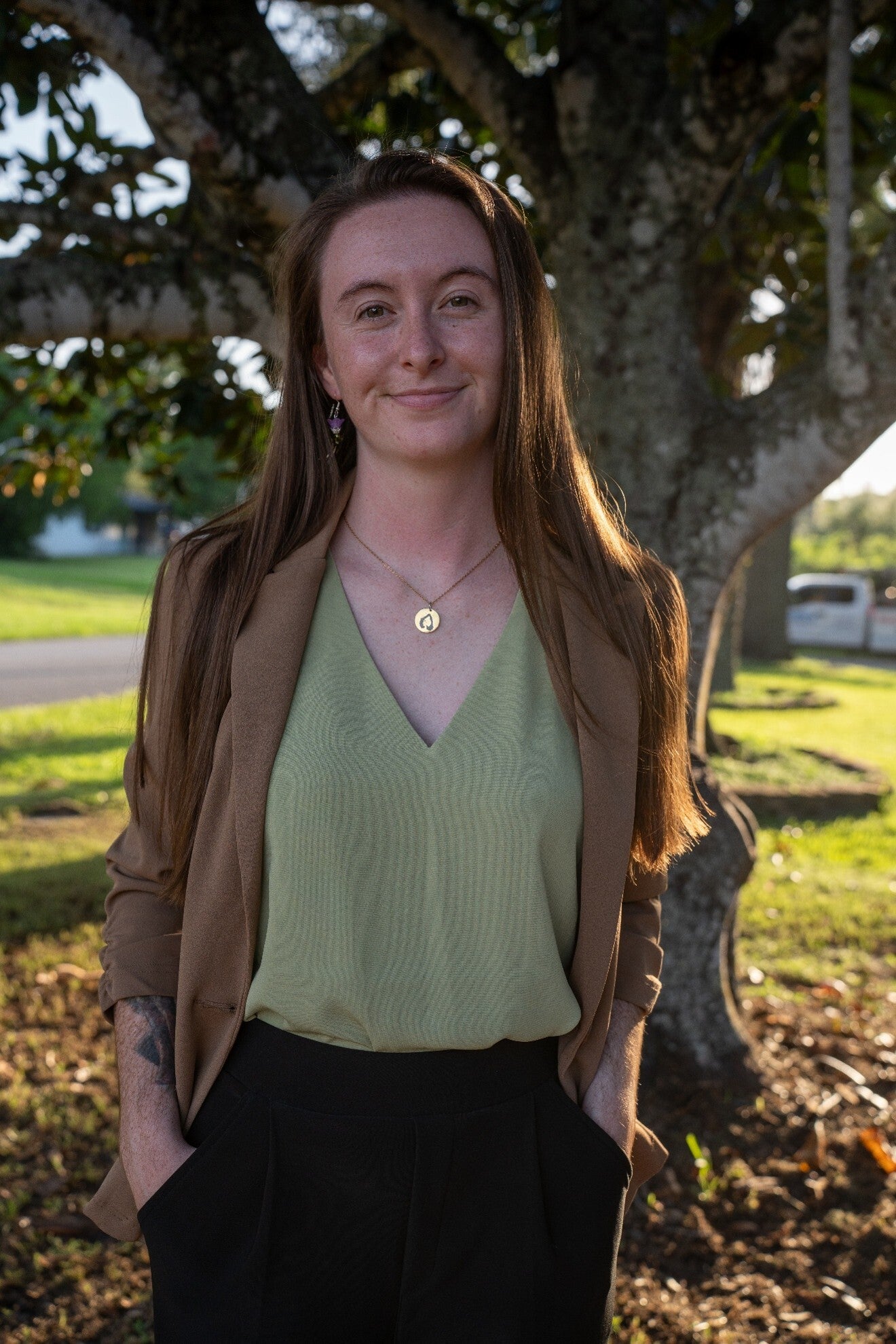
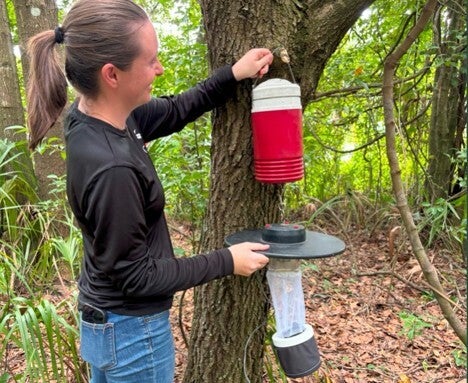
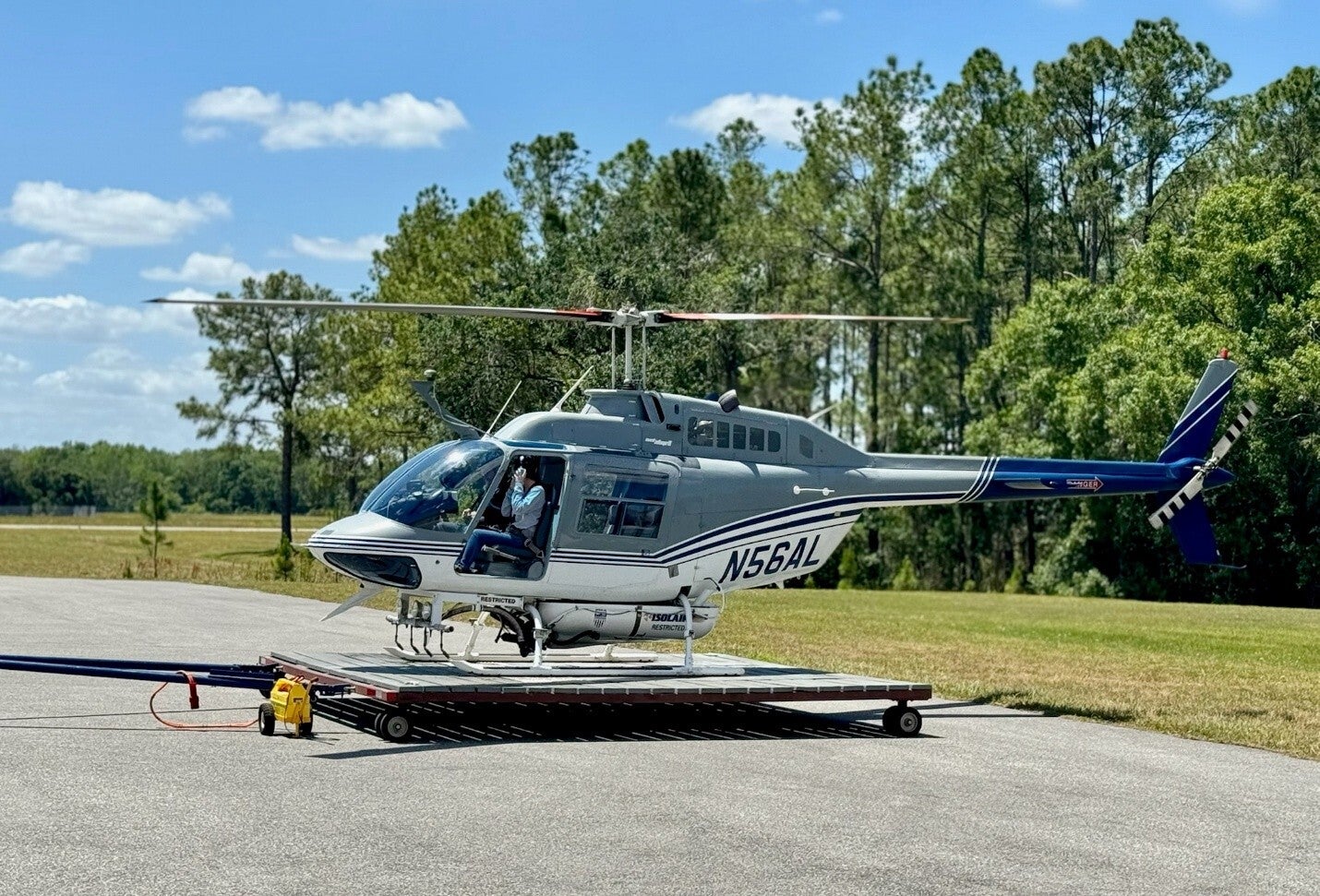
Marisa Fonseca ’21 was an Integrative Biology major at FSC. She was an Honors student, and was very involved in Beta Beta Beta (the National Biological Honor Society) and the Nature Enthusiasts club.
What professional opportunities did you pursue immediately after graduation? What are you doing now? Please describe the basic responsibilities of your current position.
Immediately after, I pursued a seasonal position working at the Birmingham Zoo as a zookeeper. This led to a seasonal position at Busch Gardens following that, and then a full-time permanent position at Busch Gardens on the elephant team for about 3 years. In April 2024, I moved into a Biologist role with Polk County Mosquito Control, and just recently in June 2026, I was promoted to Entomologist of Polk County Mosquito Control.
As Entomologist, I have taken on a supervisory role managing our surveillance team, our yearly internal projects, collaborations with universities and scientists on mosquito research, insecticide resistance, our response to disease cases, and more.
What experiences/aspects of your time at FSC helped you the most as you determined your career path and moved into the professional environment?
Too many to list, honestly! I attribute the most to Drs. Gabe Langford and Christy Wolovich. My time working on a parasitology project with Dr. Langford helped me gain skills that I still use to this day such as research project design, data management, scientific writing, etc. Dr. Wolovich’s animal behavior class is where I learned that there are so many animal and science careers out there that aren’t becoming a doctor (whether for humans or animals), which was genuinely life-changing for me. That opened my eyes up to so many different career paths and I am so incredibly grateful that I learned that before trying to go to vet school.
In the zoo field, the skills I learned at FSC weren’t as applicable to the job just because of the nature of the job. Much of the zoo field requires on-the-job training. However, as Biologist and now Entomologist, SO many of the skills I use on a daily basis can be attributed to my time at FSC. Statistical analysis, data management, research design, project reports, ecological understanding, GIS, parasite/host relationships…the list goes on and on!
What advice would you give to current FSC students as they are advancing to their degrees, considering employment and career opportunities, and/or anything else you think is important for them to know?
My biggest piece of advice is to be open to exploring career opportunities you may have never thought of before. My entire life, I thought I was going to be an exotic veterinarian. It’s the goal I had set, it’s what I thought I wanted to do. I love animal medicine and it just made sense. But in my sophomore year of college, in Dr. Wolovich’s class, I found out that there was a whole world of other opportunities out there. And I also found out that while I was saying I wanted to be a vet, I’d been describing an -ologist position. I wanted to do research, publish papers, study ecological systems, and conduct field work. I love animal medicine, but I didn’t want to work in it day in and day out. Now, I get to dabble in a bit of everything. Mosquito control is a one health field, so many of my passions are combined into one. Learning early on not to pigeon-hole myself into one job has been the most important concept I learned while at Florida Southern.
Summer Research Focuses on Fruit Flies to Help Understand Parkinson's Disease
Dr. Susan Banks, Associate Professor of Biology, and her research students- Ava Benedict, KatieGrace Cassidy and Kemar Samuel - obtained a Faculty Student Collaborative Research grant to begin work this summer using fruit flies (Drosophila melanogaster) to study the progression of Parkinson’s disease.
According to Dr. Banks, “This research contributes to increased understanding of how proteins function normally in neurons and how their dysfunction can contribute to progression of neurodegenerative disorders such as Parkinson's disease.”
While a few proteins have been identified that are closely linked to Parkinson's disease, the underlying cause is still largely a mystery. As Dr. Banks explains, “Previous research in the lab indicates there may be direct interactions between identified Parkinson's disease-linked proteins and other proteins required for normal neuronal function. The goal of this research is to determine if those interactions have an impact on neuron function.”
Drosophila melanogaster has been used for decades to study neural function, and therefore they can be used as a model for studying human diseases such as Parkinson’s.
“Using the powerful genetics of the fruit fly system, students are generating fruit flies that express the genes of interest in a model of Parkinson's disease and observe how that genetic background alters motor behaviors in the flies,” Dr. Banks said.
While the research grant covers this summer, all three of the students will continue to work throughout the next academic year.
“Our summer research with Dr. Banks has been such a valuable and inspiring experience,” said Ava. “I learned so much about genetic research and laboratory skills, which has guided me toward considering a career in genetics. Not only did I learn about fruit flies and genetics, but I also had a ton of fun with my classmates and admire their hard work as we pursue this research project together.”
KatieGrace also enjoyed her time in the lab. “During this incredible summer research opportunity with Dr. Banks, I have grown exponentially not only as a scientist, but as a person,” she said. “Collaborating and innovating with my peers over the course of this summer has fostered skills and knowledge within me that will be a catalyst for my future pursuing medicine and further neuroscience research. I am so grateful and excited to continue this research in the fall!”


Summer Research at the Roatan Institute for Marine Science (RIMS)
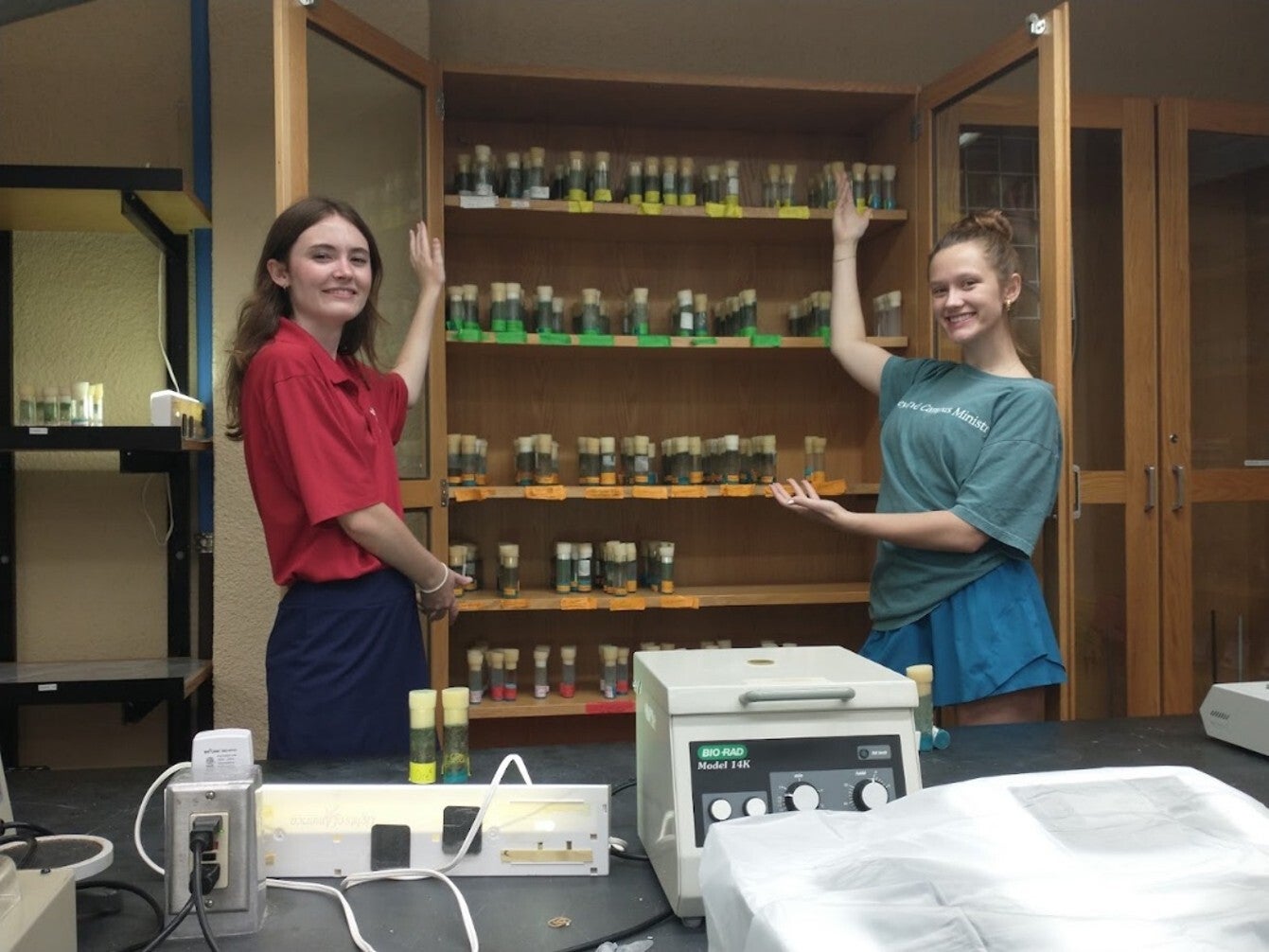
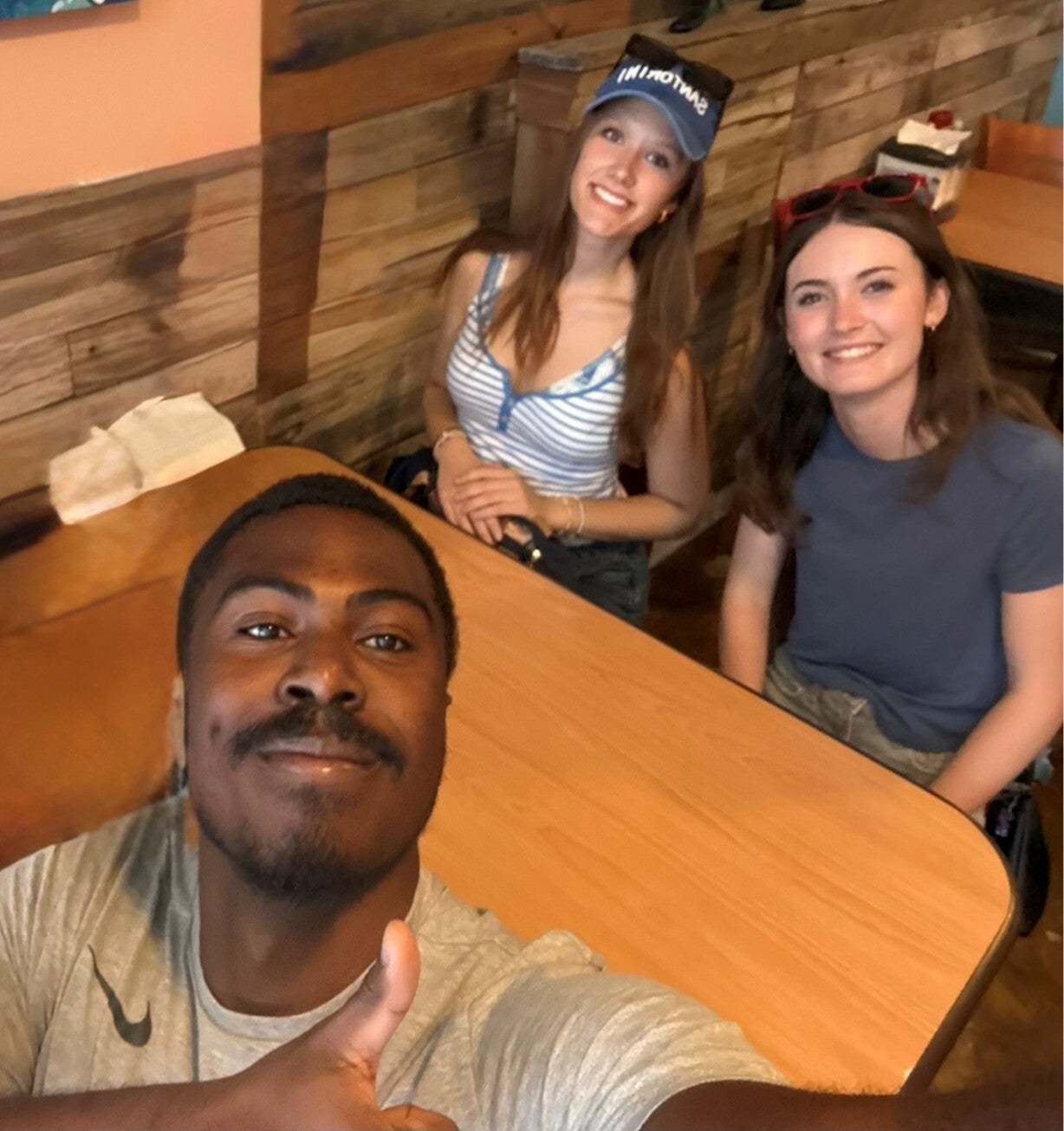
Students participating in summer research down at the Roatan Institute for Marine Science (RIMS) in Honduras were able to practice their fish and coral survey techniques in the Florida Keys this past weekend.
While there, students met with the Coral Research Foundation to learn about their efforts toward propagation and out planting to support the largest coral reef in the United States.
"I had an amazing time diving in the keys and practicing fish surveys for my summer research in Honduras. This hands-on experience was invaluable as it helped me become more comfortable with identify fish in the field and recording observation on a slate while diving. I now understand the challenges that come with surveying fish and how I can modify my methods to overcome them. Because of this trip, I will be able to effectively collect data in Honduras, which will be essential for impactful research and a successful project. Overall, I am very thankful for this experience and cannot wait to continue work on my research in Honduras." -Wyatt Rudd ‘27


The Domestic Animal Biology Class Takes a Trip to Dogs Inc.
This semester, the students in our Domestic Animal Biology course had the incredible opportunity to visit Dogs Inc in Palmetto, Florida! Dogs Inc is an inspiring nonprofit organization that raises and trains service dogs for people in need, such as veterans and people with vision loss, at no cost to them. The organization offers public tours on a regular basis, but the FSC Domestic Animal Biology class was given a very unique behind-the-scenes experience specifically curated to help our biology students make connections between what they’re learning in the classroom and how those topics are applied in the real world.
The field trip began with a tour of the Puppy Academy (what a perfect place to start!), where students fed puppies and learned about the early stages of canine development and training. The tour continued through the Dogs Inc Veterinary Center, Canine Fitness, Genetics & Reproduction, and Canine Development facilities. At each department, students were given personalized Q&A sessions with expert veterinarians, trainers, scientists, and other animal care specialists. Not only did the students enjoy interacting with adorable puppies and friendly well-trained dogs, but perhaps more importantly, they learned how to apply the knowledge they’ve gained at FSC to help improve the lives of animals and the people around them. This kind of opportunity is crucial for providing practical knowledge and hands-on experiences to our students who will go on to become the next generation of veterinarians, animal caretakers, and animal scientists!


Congrats to Marine Biology Major Coral Tolman (Class of 2026) for being selected to participate in a summer internship experience in Alaska!
For the internship portion of the NOAA Hollings Scholarship, Coral will be working on the project “Improving Sustainable Aquaculture in Alaska.” She will assist with a variety of projects including genetic selection of oysters, early warning of harmful algal blooms, habitat provisions of kelp farms, and oyster response to temperature and harmful algal blooms. Most of the summer will be spent at NOAA Ted Stevens Marine Lab in Juneau. She is most excited for the two weeks she will spend at Little Port Walter, which is only accessible by float plane.
Applications are open for sophomores to apply to this scholarship, click the link. Ernest F. Hollings Undergraduate Scholarship | National Oceanic and Atmospheric Administration


STUDENTS PRESENT AT CONFERENCE IN ST. AUGUSTINE


Last week, Dr. Durland brought students to the Annual Meeting of the Florida Chapter of
the American Fisheries Society in St. Augustine. All three students gave amazing
presentations on research they conducted at FSC and had a great time networking with
fisheries professionals and graduate students. Pictured: Sierra Robertson gave an oral
presentation on her senior research evaluating Central Florida fish communities, Molly
Kennedy gave a poster presentation on her research investigating tapeworms in Bull
Sharks, and Brady Huber gave an oral presentation on the updates to the long-term
monitoring of the Bull Shark population in Hillsborough Bay (we also honored an
Elasmobranch Lab alumnus by naming a shark after her!).
DR. BRANDON AND BIOLOGY STUDENTS ATTEND SOCIETY OF INTEGRATIVE AND COMPARATIVE BIOLOGY MEETING
This past January, several Biology students along with Dr. Chris Brandon attended the annual national meeting hosted by the
Society of Integrative and Comparative Biology (SICB) in Seattle, Washington. The national meeting was attended by approximately three thousand members from all over the United States and beyond. SICB is a large organization with a broad-based membership of scientists and student scientists who study a diverse range of things from whale vision to lobster hearts. This year, our students were able to present their summer research! Most importantly, not only do these conferences allow our students to showcase their amazing research, but they also provide the opportunity to connect with other students and scientists on a much grander scale.
Here's what our wonderful students had to say:
"The opportunity to attend SICB has allowed me to explore several fields of study ranging from animal cognition in elephants to
bioluminescence in deep-sea fish. I was able to learn about different research and talk directly to those involved like Dr. Pamela
Brannock and her microbial research in Florida Mangroves. It offered me the ability to network with scientists of all levels and form
beneficial contacts. I was also able to present my research on the relative eye growth in Daphnia and gain feedback from a wide
range of perspectives."
-Alia Whiles, studies Daphnia (small crustacean) eyes
"I really enjoyed my experience at my first conference where I was able to present my research that I conducted this past summer.
During my week in Seattle, I was able to hear about many different talks and seminars that were presented at the conference which covered an endless variety of topics. In addition, I was able to network with fellow scientists in the field and learn about the research they are conducting across the world. I am very thankful for this whole experience and the opportunity to represent [FSC]."
-Lexi Trevillian, studies coral reef ecology
"Attending SICB in Seattle was a very valuable experience. It allowed me to receive feedback and critique on my honors project
which I have already begun to use to make improvements for my third and final edition of my zine. I was also able to connect with
another undergraduate who has used zines in an academic context and discuss our projects more in-depth! As a graduating senior the conference was also a valuable networking opportunity which has led to a lead on a potential job when I graduate this spring!"
-Zaph Yost, studies right whale education
"My SICB experience was invaluable as an undergraduate student pursuing a career in research. I attended many interesting talks and sessions, absorbing as much information as I could. I also had the opportunity to network with other students and scientists interested in the same topics and organisms as me at different socials. Lastly, I enjoyed presenting the research I completed this summer at an internship during one of the poster sessions. I am so grateful to FSC and its biology professors, without them I would not have been able to attend this conference."
-Jaclyn McFadden, studies coral reef ecology
"Attending SICB this year was extremely beneficial to me as I think about my future career and head towards graduate school. I was able to take advantage of the plethora of networking opportunities at the conference, where I got to meet and get advice from
scientists at various career stages. One of my favorite parts of SICB was attending a workshop on student research opportunities,
internships, and fellowships! The entire experience made me feel so much more excited and prepared for my own future career in
science!"
-Sophi Brice, studies rose genomics
Next year, several biology faculty and students are planning to attend SICB in 2025, which is being held next door in Atlanta,
Georgia. Our Mocs are unlocking nature's secrets and are on the move!


DR. CHRIS BRANDON HOSTS AN FSC JUNIOR JOURNEY TRIP TO SANTIAGO, CHILE


This past spring, Biology professor, Dr. Chris Brandon, led his first FSC Junior Journey to Santiago, Chile! Dr. Brandon co-directed the trip with his wife, Dr. Legna Torres Garcia, who were accompanied by seven amazing students from across different majors. As part of the FSC Junior Journey program, junior/senior students are offered the opportunity to travel abroad with a FSC faculty member to experience different places and cultures. During this trip, they stayed in Santiago, Chile, one of the largest cities in South America, which resides between the coastal waters of the South Pacific Ocean and the Southern portion of the Andes mountain range. They experienced the beautiful culture of the Chilean people, learned Chilean History, and experienced the amazing cityscapes and landscapes of the Santiago region. On one eventful trip, they rode horseback through the Andes mountains around 6000 feet above sea level. They concluded the evening by watching the stars of the Southern Hemisphere while enjoying Chilean barbeque.
Needless to say, the students had a grand time, as one student commented:
"The experience of fully immersing myself into the culture of Chile is something that I will remember forever. This trip has changed a lot of perspectives for me, and I am incredibly honored and grateful that I had this opportunity."
SECOND YEAR STUDENTS PAIRED WITH PEER MENTORS TAUGHT MIDDLE SCHOOLERS AT ROBERTS ACADEMY

This past Fall Semester, Dr. Chris Brandon initiated a biology-focused service-learning course where 2nd-year students were paired with peer mentors to design a teaching lesson for middle- schoolers attending the FSC-affiliated Roberts Academy, a school for children with dyslexia. Our students met throughout the fall semester in small groups led by junior/senior peer mentors to develop an hour-long teaching presentation that aligned with the middle-school science program at Roberts Academy. For example, the FSC biology students featured in the photo designed an activity to examine the different types of organisms that live in various biomes. The Bio students used Minecraft Biomes as a creative driver to examine adaptations of real-life organisms! By leveraging tools to learn by teaching, our students gain stronger connections to the knowledge that they are taught in their biology courses. Our students also got to see the level of enthusiasm that young kids have about science, as one of our students comments:
"[The] presentation was the most rewarding part of taking this course. I was really nervous about
teaching kids because I don't have experience in that but their engagement was so encouraging and it
made the lab super fun. It was definitely a new experience and something I would've never had the
chance to, or wanted to do, without this course."
Drs. Brandon and Gallagher plan on offering the course again this upcoming fall semester. We can't wait
to see what our students will do next! Our bio students are definitely Mocs on the Move!
THREE STUDENTS FROM DR. MACRANDER'S LAB REPRESENTED FSC AT THE BENTHIC ECOLOGY MEETING (BEM) IN CHARLESTON, S.C.


Three students from Dr. Jason Macrander’s lab represented Florida Southern College at the Benthic Ecology Meeting (BEM) in Charleston, South Carolina. BEM aims to foster research in benthic ecosystems, facilitate the exchange of information about benthic ecology, and promote student engagement to nurture the next generation of benthic ecologists. This conference provided an invaluable opportunity for our students to immerse themselves in a diverse range of research topics aligned with their interests, fostering collaboration and idea exchange among peers.
During the meeting, held from April 10 - 13, each student presented their own scientific research poster, showcasing work conducted during the Summer 2023 as Hansen Research Scholars.

Reflecting on her experience, Coral Tolman (Marine Biology ‘26) shared, “BEM introduced me to the post-grad academia world. I was able to talk and learn from individuals who are on or have completed the post-grad path I wish to pursue. It also was my first experience presenting to individuals of a similar interest field who asked great questions and gave me many ideas for further studies.”

Sophia Kuklina (Biotechnology ‘26) approached the conference from an alternative perspective, stating, “While there were a lot of marine biology talks that definitely improved my knowledge in this sphere, I also found some talks in my main area of interest - biotechnology. For example, I learned how eDNA and eco-engineering are applied to the marine biology field. In addition, I had my first experience presenting my research poster at the conference. It boosted my speaking and performance skills and made me more comfortable in professional situations.”

Wyatt Rudd (Marine Biology & Environmental Studies ‘26) reflected, “Attending the 2024 Benthic Ecology Meeting gave me my first-ever opportunity to present and discuss my research with scientists on a regional scale. Doing so further reinforced my passion for science and allowed me to be a part of the scientific community in a way that I had never experienced before. Through attending other presentations, the conference exposed me to a variety of scientific topics and issues, which has given me guidance as I seek my future in science.”
Tropical Ecology : Coral Reef Ecology & Marine Conservation spends spring break in Roatan Honduras
FSC students in the Tropical Ecology: Coral Reef Ecology & Marine Conservation course spent their spring break exploring the fringing and barrier reefs of Roatán, Honduras with Dr. Jason Macrander and Prof. Ashley Bowers-Macrander. Students practiced identification of the major coral species found in the reefs around the Bay Islands and collected data, using transects, to student their ecology. Students were also able to take part in the maintenance of a coral nursery and outplanting of the critically endangered staghorn coral.
When not focusing on corals, students were able to observe the amazing biodiversity of Roatán, including sharks, spotted eagle rays, sea turtles, dolphins, and an abundance of fish species. They were also able to experience the culture of the island, particularly that of the Mayan, Payan, and Garífuna peoples.
During the trip, students worked closely with Jennifer Keck, the Education & Research Coordinator for the Roatán Institute for Marine Science (RIMS). RIMS was established in 1989 by the owners of Anthony’s Key Resort with the goal of preserving the area’s natural resources through education and research.


